News
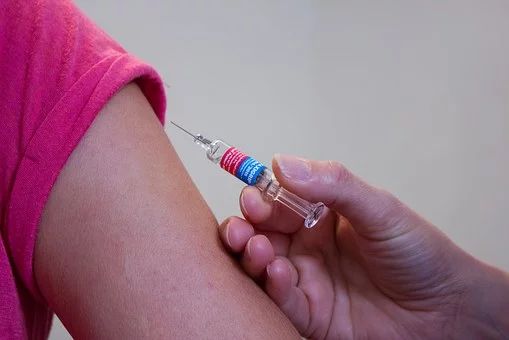
Oxford COVID-19 vaccine enters human trial stage
- by Team ABLE - 24 Apr, 2020
University of Oxford researchers have begun testing a COVID-19 vaccine in human volunteers in Oxford on April 23rd. Around 1,110 people will take part in the trial, half receiving the vaccine and the other half (the control group) receiving a widely available meningitis vaccine.
Of the first two volunteers to take part today, one will likewise receive the vaccine and the other the control.
The researchers started screening healthy volunteers (aged 18-55) in March for their upcoming ChAdOx1 nCoV-19 vaccine trial in the Thames Valley Region. The vaccine is based on an adenovirus vaccine vector and the SARS-CoV-2 spike protein, and has been produced in Oxford.
The study aims to assess whether healthy people can be protected from COVID-19 with this new vaccine called ChAdOx1 nCoV-19. It will also provide valuable information on safety aspects of the vaccine and its ability to generate good immune responses against the virus.
ChAdOx1 nCoV-19 is made from a virus (ChAdOx1), which is a weakened version of a common cold virus (adenovirus) that causes infections in chimpanzees, that has been genetically changed so that it is impossible for it to grow in humans.
Genetic material has been added to the ChAdOx1 construct, that is used to make proteins from the COVID-19 virus (SARS-CoV-2) called Spike glycoprotein (S). This protein is usually found on the surface of SARS-CoV-2 and plays an essential role in the infection pathway of the SARS-CoV-2 virus. The SARS-CoV-2 coronavirus uses its spike protein to bind to ACE2 receptors on human cells to gain entry to the cells and cause an infection.
By vaccinating with ChAdOx1 nCoV-19, Oxford is hoping to make the body recognise and develop an immune response to the Spike protein that will help stop the SARS-CoV-2 virus from entering human cells and therefore prevent infection.
University of Oxford researchers have begun testing a COVID-19 vaccine in human volunteers in Oxford.

voice for BT and BEST 2026